
The trading landscape continues evolving as retail traders and crypto enthusiasts search for platforms that match their investment strategies. Both Exness and Binance stand as industry leaders, yet they serve distinctly different market segments. Exness built its reputation as a forex broker with tight spreads and high leverage options. Binance emerged as the world’s largest crypto exchange by trading volume.
This comparison examines both platforms across critical factors. We analyze fees, account types, asset selection, security measures, and regulatory compliance. The goal is simple: help you choose the right platform for your trading style and investment goals in 2026.
Choosing between a specialized forex broker and a comprehensive crypto exchange requires understanding your priorities. Are you focused on currency pairs with leverage? Or do you need access to hundreds of cryptocurrencies? The answer determines which platform serves you better.
Ready to Start Trading?
Both platforms offer unique advantages for different trader types. Explore each option to find your perfect match.
Quick Comparison Overview: Exness vs Binance 2026
Understanding the fundamental differences between these platforms helps narrow your choice. Exness operates as a multi-regulated forex and CFD broker. The company focuses on forex trading with over 120 currency pairs. Binance functions as a cryptocurrency exchange offering spot trading, futures, and staking services across 350+ digital assets.
The platforms attract different trader profiles. Exness appeals to forex traders seeking tight spreads and institutional-grade execution. Binance attracts crypto investors wanting access to emerging tokens and DeFi opportunities. Geographic availability also differs significantly, with Exness restricted in certain countries and Binance facing regulatory challenges in others.
Account opening processes reflect each platform’s approach. Exness requires standard KYC verification with proof of identity and address. Binance offers tiered verification levels, allowing limited trading with basic verification. Both platforms provide mobile apps, but their functionality differs based on asset classes offered.
Comprehensive Feature Comparison Table
This detailed comparison breaks down every critical aspect of both platforms. We examine trading conditions, fees, available assets, and platform features. The table provides clear data points to inform your decision.
| Feature Category | Exness | Binance |
| Platform Type | Forex/CFD Broker | Cryptocurrency Exchange |
| Regulation | FCA, CySEC, FSA, FSCA | Multiple licenses (varies by region) |
| Minimum Deposit | $10 (Standard), $200 (Pro) | No minimum |
| Trading Fees | From 0.1 pips (spread-based) | 0.1% spot, discounts with BNB |
| Available Assets | 120+ forex pairs, metals, indices, crypto CFDs | 350+ cryptocurrencies |
| Maximum Leverage | Unlimited (for eligible accounts) | 125x (futures) |
| Deposit Methods | Bank transfer, cards, e-wallets, crypto | Bank transfer, cards, P2P, crypto |
| Withdrawal Speed | Instant to 24 hours | Minutes to hours (crypto) |
| Trading Platform | MT4, MT5, WebTerminal, Mobile App | Web, Desktop, Mobile App, API |
| Customer Support | 24/7 multilingual chat and email | 24/7 chat, ticket system |
| Education Resources | Webinars, video tutorials, market analysis | Academy, research reports, videos |
| Demo Account | Yes (unlimited) | Yes (testnet for futures) |
| Mobile Trading | iOS and Android (MT4/MT5) | iOS and Android (native app) |
| Account Types | 5 types (Standard, Pro, Raw, Zero, Professional) | Individual, Corporate |
| Negative Balance Protection | Yes | Not applicable |
The comparison reveals fundamental structural differences. Exness provides leveraged trading on forex and CFDs with multiple account types tailored to trader experience levels. Binance offers direct cryptocurrency ownership with spot and futures markets. Fee structures differ significantly, with Exness using spread-based pricing and Binance charging percentage-based trading fees.
Exness Detailed Review and Analysis
Exness established itself as a leading forex broker since 2008. The company serves over 600,000 active traders monthly with daily trading volume exceeding $5 billion. Multiple regulatory licenses from tier-one regulators provide client protection and operational oversight.
Account Types and Trading Conditions
Exness offers five distinct account types. The Standard account requires just $10 minimum deposit with spreads from 0.3 pips. Professional accounts including Raw Spread and Zero accounts target experienced traders with lower spreads but commission structures. The Professional account type unlocks unlimited leverage for qualifying clients.
Execution quality remains a priority. The broker uses market execution with no dealing desk intervention. Average execution speed reaches 0.4 seconds. Stop-out levels vary by account type, with some accounts offering 0% stop-out protection until negative balance protection kicks in.
Trading Platform and Tools
MetaTrader 4 and MetaTrader 5 serve as primary trading platforms. Both platforms offer advanced charting, automated trading through Expert Advisors, and comprehensive technical analysis tools. The proprietary WebTerminal provides browser-based access without downloads. Mobile apps for iOS and Android deliver full trading functionality on smartphones.
Deposit and Withdrawal Options
Exness supports diverse funding methods including bank transfers, credit and debit cards, e-wallets like Skrill and Neteller, and cryptocurrency deposits. Most deposit methods process instantly with no fees charged by the broker. Withdrawal requests typically process within 24 hours, with many e-wallet withdrawals completing instantly.
The minimum withdrawal amount varies by payment method. Bank withdrawals may have higher minimums compared to e-wallet options. Client funds remain segregated from company operating capital, providing additional security layer.
Regulation and Security Measures
Multiple regulatory bodies oversee Exness operations. The UK Financial Conduct Authority regulates Exness (UK) Ltd. Cyprus Securities and Exchange Commission supervises the European entity. Additional licenses from Seychelles FSA and South Africa FSCA extend global coverage.
Security protocols include SSL encryption for data transmission and two-factor authentication for account access. Client money protection schemes vary by regulatory jurisdiction. European clients benefit from investor compensation fund access up to specified limits.
Pros and Cons of Exness
Advantages
- Unlimited leverage available for experienced traders with proven track records
- Tight spreads starting from 0.0 pips on Raw Spread accounts benefit scalpers
- Instant withdrawals to most e-wallets provide quick access to funds
- No minimum deposit requirement on Standard Cent accounts lowers entry barriers
- Multiple tier-one regulatory licenses ensure client fund protection
- 24/7 customer support in 18 languages assists global client base
- Negative balance protection prevents account debt accumulation
- Copy trading service allows beginners to follow successful strategies
Disadvantages
- Limited stock and ETF selection compared to dedicated equity brokers
- Educational resources less comprehensive than some competitors
- Swap fees on overnight positions can accumulate for long-term holds
- Professional accounts require significant experience or high balance qualification
- Cryptocurrency CFDs carry higher spreads than direct crypto ownership
- Regional restrictions prevent traders from certain countries opening accounts
Exness Rating Breakdown
Experience Professional Forex Trading
Join hundreds of thousands of traders who trust Exness for forex and CFD trading. Multiple account types suit every experience level.
Binance Detailed Review and Analysis
Binance launched in 2017 and rapidly became the world’s largest cryptocurrency exchange by trading volume. The platform handles billions in daily transactions across spot, futures, options, and margin trading. Over 120 million registered users worldwide access the exchange.
Trading Options and Market Access
Binance provides multiple trading options for crypto investors. Spot trading allows direct cryptocurrency purchases with over 350 trading pairs. Futures contracts offer up to 125x leverage on popular cryptocurrencies. Margin trading enables borrowing funds to amplify position sizes. Options trading provides advanced strategies for experienced traders.
The platform continually lists new tokens, often becoming the first major exchange to offer emerging projects. Binance Launchpad introduces new tokens through initial exchange offerings. Staking services allow users to earn passive income on holdings.
Fee Structure and Cost Analysis
Binance employs a tiered fee structure based on 30-day trading volume and BNB holdings. Standard spot trading fees start at 0.1% for both maker and taker orders. Users holding BNB token receive 25% fee discount when using it for fee payment. High-volume traders and VIP members access reduced fee tiers down to 0.02%.
Futures trading fees range from 0.02% maker to 0.04% taker at base level. Funding rates apply to perpetual futures contracts based on market conditions. Withdrawal fees vary by cryptocurrency, typically lower than industry averages due to volume advantages.
Platform Features and Trading Tools
The Binance ecosystem extends beyond basic trading. Binance Earn offers various products including flexible savings, locked staking, and DeFi staking with competitive yields. Binance Card enables cryptocurrency spending at merchants worldwide. The NFT marketplace supports digital collectible trading.
Advanced traders access API connectivity for algorithmic trading. TradingView integration provides professional charting. The Binance mobile app delivers full functionality with biometric security. Convert features allow instant crypto-to-crypto swaps without order placement.
Security Infrastructure and User Protection
Binance maintains a Secure Asset Fund for Users (SAFU) holding 10% of trading fees as emergency insurance. The fund covers unexpected security breaches. Cold wallet storage protects 95% of user funds offline. Multi-signature wallets require multiple approvals for large transactions.
Two-factor authentication is mandatory for withdrawals. Anti-phishing codes help users identify legitimate Binance communications. Withdrawal whitelist features restrict fund transfers to pre-approved addresses. Address management tools prevent sending crypto to wrong networks.
Regulatory Compliance and Regional Services
Binance operates through multiple regional entities with local regulations. Binance.US serves American customers under FinCEN registration and state money transmitter licenses. European users access services through various licensed entities. The company actively pursues regulatory compliance globally.
Some features vary by jurisdiction due to local regulations. Margin and futures trading may be restricted in certain countries. Binance implements geofencing to prevent access from prohibited regions. KYC requirements increase based on withdrawal limits and service access levels.
Pros and Cons of Binance
Advantages
- Largest cryptocurrency selection with 350+ trading pairs and new listings
- Low trading fees starting at 0.1% with BNB discount opportunities
- High liquidity ensures minimal slippage on large orders
- Comprehensive ecosystem including staking, savings, NFTs, and card services
- Advanced trading options with futures, margin, and options markets
- Mobile app provides full functionality for trading on the go
- Binance Academy offers extensive cryptocurrency education resources
- Fast deposit and withdrawal processing for most cryptocurrencies
Disadvantages
- Interface complexity can overwhelm cryptocurrency beginners
- Regulatory uncertainty affects service availability in some regions
- Customer support response times vary during high-demand periods
- Fiat deposit and withdrawal options limited compared to traditional brokers
- Account verification can take several days during busy periods
- Leverage trading carries high risk of rapid losses for inexperienced users
Binance Rating Breakdown
Enter the Cryptocurrency Market
Access the world’s largest crypto exchange with hundreds of trading pairs, advanced tools, and competitive fees. Start your crypto journey today.
Editor’s Choice: Our Recommendation for 2026

After comprehensive analysis of both platforms, the choice depends entirely on your trading objectives. Each platform excels in its specific domain.
Exness for Forex Traders

Exness earns our recommendation for forex and CFD traders. The combination of tight spreads, multiple account types, and unlimited leverage options for qualified traders provides exceptional value. Instant withdrawals and strong regulatory oversight add confidence.
The platform suits traders prioritizing forex pairs and traditional currency trading. MetaTrader integration delivers industry-standard tools familiar to most traders. Customer support quality and withdrawal speed surpass most competitors.
Binance for Crypto Investors

Binance receives our top recommendation for cryptocurrency trading. The unmatched asset selection, low fees, and comprehensive ecosystem make it the clear choice for crypto-focused investors. Market depth and liquidity enable efficient large-order execution.
The platform serves both beginners through simple buy/sell interfaces and advanced traders through futures and margin markets. Staking and savings products provide income generation beyond active trading. The Binance ecosystem offers complete crypto services under one roof.
Decision Framework: Which Platform Matches Your Needs?
Consider these factors when making your final choice:
Choose Exness If You:
- Primarily trade forex currency pairs
- Need high or unlimited leverage options
- Prefer MetaTrader platform environment
- Value instant withdrawal capabilities
- Want strong European regulatory protection
- Focus on short-term trading strategies
- Require professional customer support
Choose Binance If You:
- Focus on cryptocurrency investment
- Want access to hundreds of crypto assets
- Seek earning opportunities through staking
- Need NFT marketplace access
- Prefer direct crypto ownership over CFDs
- Value ecosystem services like crypto cards
- Want exposure to new token launches
Some traders maintain accounts on both platforms. This approach allows forex trading through Exness while accessing crypto markets via Binance. The complementary nature of these platforms enables diversified trading strategies across asset classes.
Start Your Trading Journey Today
Both platforms offer unique strengths for different trading styles. Choose the one that aligns with your investment strategy, or use both for complete market coverage.
Trading Costs and Fee Comparison Analysis
Understanding total trading costs requires examining more than headline fees. Both platforms structure costs differently based on their business models. Exness as a broker uses spread-based pricing with optional commissions. Binance as an exchange charges percentage-based fees per transaction.
Exness Fee Structure Breakdown
Exness account types determine fee structures. Standard accounts charge no commission but include spreads starting from 0.3 pips on major pairs. Raw Spread accounts offer spreads from 0.0 pips with $7 commission per lot on forex trades. Zero accounts eliminate commission but widen spreads slightly compared to Raw accounts.
Additional costs include overnight swap fees on positions held past market close. Swap rates vary by instrument and can be positive or negative depending on interest rate differentials. Inactivity fees apply after extended periods without trading activity. Deposit and withdrawal fees depend on payment method chosen.
Binance Fee Structure Breakdown
Binance spot trading starts at 0.1% for both maker and taker orders. This fee applies to the transaction value. Using BNB token for fee payment reduces the rate to 0.075%. Higher trading volumes unlock lower fee tiers, with VIP 9 status charging just 0.02% maker and 0.04% taker fees.
Futures trading fees range from 0.02% maker to 0.04% taker at standard levels. Margin trading incurs similar fees plus daily interest on borrowed funds. Withdrawal fees vary by cryptocurrency network, reflecting blockchain transaction costs. Binance Card transactions include small conversion fees depending on the cryptocurrency used.
Cost Example: $10,000 Forex Trade on Exness
EUR/USD trade on Standard account:
- Spread cost: 0.8 pips = $8
- Commission: $0 (Standard account)
- Overnight swap (if held): Variable
- Total immediate cost: $8 (0.08%)
Same trade on Raw Spread account:
- Spread cost: 0.1 pips = $1
- Commission: $7 per lot
- Total immediate cost: $8 (0.08%)
Cost Example: $10,000 Crypto Trade on Binance
Bitcoin purchase without BNB discount:
- Trading fee: 0.1% = $10
- Network deposit fee: $0 (internal transfer)
- Total immediate cost: $10 (0.1%)
Same trade with BNB discount:
- Trading fee: 0.075% = $7.50
- BNB holding requirement: Yes
- Total immediate cost: $7.50 (0.075%)
Hidden Costs and Considerations
Several factors affect total trading costs beyond advertised fees. Slippage occurs when market prices move between order placement and execution. Binance’s deep liquidity minimizes slippage on major pairs, while Exness guarantees execution at requested prices on most account types.
Currency conversion fees apply when depositing funds in different currencies than account base currency. Both platforms may include conversion spreads. Exness offers multi-currency accounts to minimize conversion needs. Binance provides multiple stablecoin options reducing conversion frequency.
Tax implications differ between platforms. Exness CFD trading may qualify for different tax treatment than Binance spot crypto purchases depending on jurisdiction. Consult tax professionals regarding specific situations. Both platforms provide transaction histories supporting tax reporting requirements.
Account Types and Opening Requirements
Getting started requires understanding account options and verification processes. Both platforms offer tiered account structures matching trader experience and capital levels.
Exness Account Type Specifications
Exness provides five main account types. Standard accounts suit beginners with $10 minimum deposits and no commission structure. Standard Cent accounts allow even smaller position sizes ideal for practice. Pro accounts require $200 minimum offering instant execution and market depth visibility.
Raw Spread accounts target active traders wanting tightest spreads with transparent commission structure. Zero accounts eliminate commissions but include wider spreads compared to Raw accounts. Professional accounts unlock unlimited leverage requiring significant trading experience or high account balance.
| Account Type | Minimum Deposit | Spread From | Commission | Best For |
| Standard | $10 | 0.3 pips | None | Beginners, small deposits |
| Standard Cent | $10 | 0.3 pips | None | Testing strategies, micro lots |
| Pro | $200 | 0.1 pips | None | Intermediate traders |
| Raw Spread | $200 | 0.0 pips | $7 per lot | Scalpers, day traders |
| Zero | $200 | 0.0 pips | None (95% of time) | Cost-conscious traders |
Binance Account Tiers and Verification
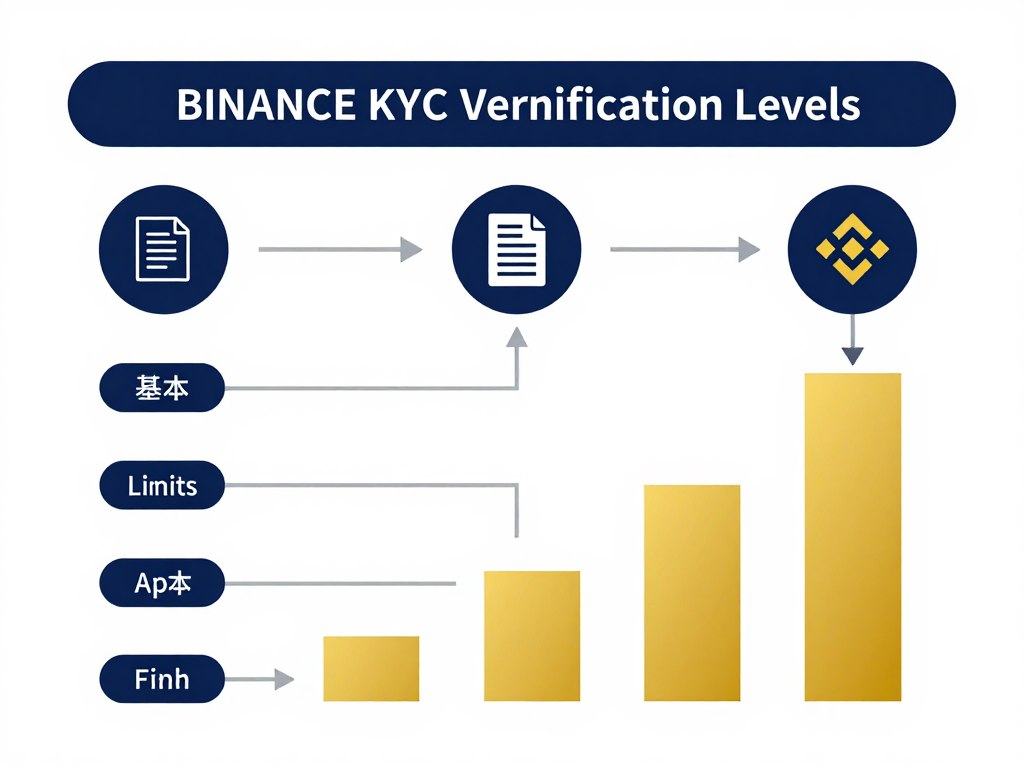
Binance implements tiered verification matching service access levels. Basic accounts require email verification allowing limited trading and withdrawals up to 1,000 USDT daily. Intermediate verification adds identity document and facial recognition unlocking 100 BTC daily withdrawal limits.
Advanced verification includes address proof documentation enabling fiat currency services and higher limits. Corporate accounts serve business entities with additional documentation requirements. Each tier progressively unlocks more platform features and higher transaction limits.
Registration and Verification Process
Opening an Exness account takes minutes online. The process requires email address, phone number, and password creation. Initial deposits possible immediately. Full verification enabling withdrawals requires government-issued ID and proof of address document. Verification typically completes within 24 hours.
Binance registration starts with email or phone number. Basic verification enables limited trading immediately. Full verification requires photo ID upload and facial recognition scan. Processing times vary from minutes to several days during high-demand periods. Enhanced verification for fiat services adds address documentation.
Account Security Best Practices
Both platforms require strong security measures. Enable two-factor authentication immediately after registration. Use authenticator apps rather than SMS when possible. Create unique, complex passwords never reused on other sites. Store backup codes securely offline.
Monitor account activity regularly through email notifications and login history. Set withdrawal address whitelists preventing unauthorized transfers. Use anti-phishing codes identifying legitimate platform communications. Avoid accessing accounts on public WiFi networks without VPN protection.
Asset Selection and Trading Options

Asset availability determines platform suitability for specific strategies. Exness specializes in leveraged forex and CFD instruments. Binance dominates cryptocurrency market access.
Exness Asset Coverage
Exness offers over 120 currency pairs spanning major, minor, and exotic forex combinations. Major pairs like EUR/USD, GBP/USD, and USD/JPY feature tightest spreads and highest leverage. Exotic pairs including Turkish lira and South African rand provide emerging market exposure.
Precious metals trading includes gold and silver against major currencies. Energy CFDs cover crude oil and natural gas. Index CFDs track major stock indices including S&P 500, NASDAQ, and European indices. Select cryptocurrency CFDs enable Bitcoin and Ethereum exposure with leverage.
Stock CFDs provide access to popular American equities without direct ownership. Traders can go long or short on technology stocks, financial institutions, and major corporations. All instruments trade as CFDs with leverage, not direct ownership.
Binance Asset Coverage
Binance lists over 350 cryptocurrencies with 1,500+ trading pairs. Bitcoin, Ethereum, and major altcoins enjoy deep liquidity. The platform frequently adds new tokens, often listing projects before competing exchanges. Trading pairs include crypto-to-crypto and crypto-to-stablecoin options.
Stablecoins including USDT, USDC, and BUSD enable dollar-pegged trading without bank involvement. Binance Chain native tokens and emerging DeFi projects receive early listing opportunities. NFT marketplace access connects digital collectible trading with cryptocurrency holdings.
Tokenized stock offerings provide exposure to traditional equities through crypto-backed tokens. These synthetic assets track underlying stock prices enabling 24/7 trading. Availability varies by jurisdiction due to regulatory considerations.
Market Hours and Availability
Exness forex trading operates 24/5 from Sunday evening to Friday evening following global forex market hours. Each currency pair has specific trading sessions reflecting major financial center hours. Cryptocurrency CFDs trade continuously including weekends matching spot crypto market hours.
Binance cryptocurrency trading operates 24/7/365 without market closures. Perpetual futures contracts trade continuously. Traditional market hour restrictions don’t apply to crypto assets. Scheduled maintenance windows occasionally pause trading for system upgrades.
Leverage and Margin Requirements
Exness provides leverage up to 1:2000 on forex pairs for Standard accounts. Professional accounts qualify for unlimited leverage on proven track records. Margin requirements vary by instrument, with major pairs requiring minimal margin. Exotic pairs and volatile instruments require higher margin percentages.
Binance offers up to 125x leverage on cryptocurrency futures. Margin trading enables 3x to 10x leverage on spot positions. Leverage tiers adjust based on position size, with larger positions requiring lower leverage. Isolated and cross-margin modes provide different risk management approaches.
Platform Technology and Trading Tools
Trading platform quality directly impacts execution efficiency and analysis capabilities. Both platforms invest heavily in technology infrastructure.
Exness Platform Options
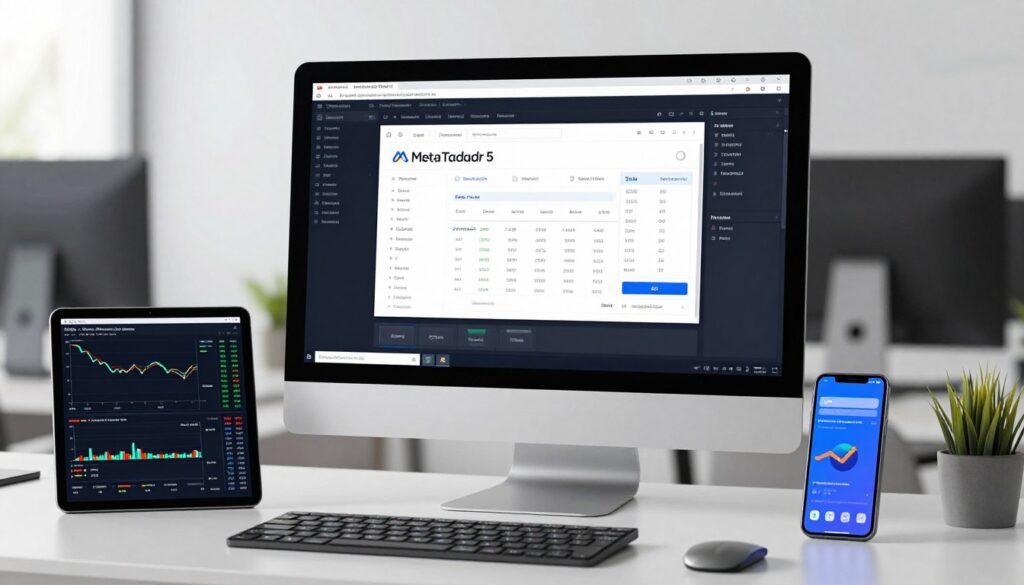
MetaTrader 4 remains popular for its simplicity and extensive Expert Advisor library. The platform offers advanced charting with dozens of technical indicators. Automated trading through Expert Advisors enables strategy implementation without manual intervention. Custom indicators expand analysis possibilities.
MetaTrader 5 adds more timeframes, economic calendar integration, and improved order types. Depth of market display shows available liquidity at different price levels. The strategy tester enables backtesting automated strategies against historical data. Both MT4 and MT5 support mobile trading through native apps.
Exness WebTerminal provides browser-based trading without software downloads. The platform replicates core MetaTrader functionality through web interface. Social trading features allow copying successful trader strategies. Performance statistics help identify consistent performers worth following.
Binance Platform Ecosystem
Binance web platform serves as the comprehensive trading hub. The interface separates into Basic and Advanced modes. Basic mode simplifies buying and selling for newcomers. Advanced mode displays full order books, depth charts, and technical analysis tools.
TradingView integration provides professional-grade charting. Hundreds of indicators and drawing tools support technical analysis. Custom alerts notify traders of price movements. The platform remembers chart configurations and indicator settings across sessions.
Binance API enables algorithmic trading and bot integration. RESTful and WebSocket APIs provide market data and order execution capabilities. Rate limits ensure fair platform access. Documentation and code samples support developer integration.
Mobile Trading Capabilities
Exness mobile apps deliver full MetaTrader functionality. Chart analysis, order placement, and position management work identically to desktop versions. Push notifications alert traders to executed orders and margin calls. Biometric login provides quick secure access.
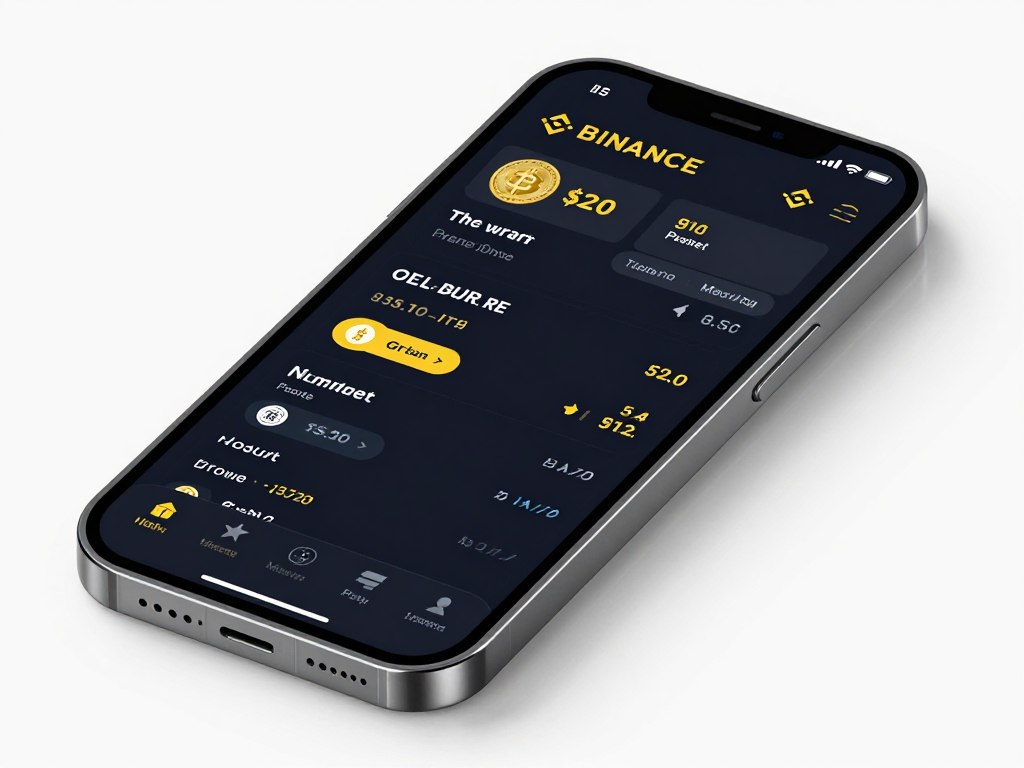
Binance mobile app includes all web platform features. Spot trading, futures, margin, and staking all accessible through mobile interface. Price alerts and portfolio tracking keep users informed. The app supports multiple language options serving global user base.
Analysis and Research Tools
Exness provides market analysis through blog posts and weekly market reviews. Economic calendar highlights upcoming data releases affecting currency pairs. Sentiment indicators show trader positioning. The broker partners with Trading Central providing additional technical analysis.
Binance Research publishes comprehensive reports on cryptocurrency projects and market trends. On-chain analysis tools reveal blockchain activity patterns. Launchpad research helps evaluate new token offerings. The Binance Academy educational content explains blockchain concepts and trading strategies.
Customer Support and Educational Resources

Quality support becomes critical during account issues or technical difficulties. Both platforms maintain support teams, though approaches differ.
Exness Customer Support
Exness operates 24/7 multilingual support teams. Live chat provides immediate assistance in 18 languages. Average response times stay under two minutes for chat queries. Email support handles more complex inquiries requiring detailed investigation. Phone support available for premium account holders in select regions.
The help center contains extensive documentation covering account management, trading basics, and platform guides. Video tutorials demonstrate platform features and trading concepts. A comprehensive FAQ section addresses common questions. Support quality consistently receives positive reviews from users.
Binance Customer Support
Binance support operates through ticket system and live chat. Response times vary significantly based on inquiry complexity and support load. Basic questions often receive automated responses directing to help articles. Complex issues requiring human review may take several days during busy periods.
The Binance help center offers detailed guides covering every platform feature. Community forums allow users to share solutions and tips. Social media channels provide platform updates and announcements. VIP clients access priority support with faster response times.
Educational Resources Comparison
Exness educational offerings target forex trading fundamentals. Webinars cover technical analysis, risk management, and trading psychology. Blog articles analyze current market conditions. The broker provides less structured learning paths compared to dedicated education platforms.
Binance Academy represents one of the crypto industry’s most comprehensive educational resources. Hundreds of articles explain blockchain technology, cryptocurrency fundamentals, and trading strategies. Courses progress from beginner to advanced levels. Video content supplements written materials. The academy maintains content quality through expert review processes.
Exness Support Highlights
- 24/7 live chat in 18 languages
- Under 2-minute average response time
- Dedicated account managers for pro traders
- Comprehensive video tutorial library
- Regular market analysis updates
- Trading Central partnership
Binance Support Highlights
- Extensive help center documentation
- Binance Academy educational platform
- Community forum peer support
- Priority support for VIP members
- Regular platform update announcements
- Multi-language interface support
Community and Social Features
Exness maintains active social media presence across major platforms. Traders can connect through Facebook groups and Telegram channels. The copy trading feature creates an internal community of strategy providers and followers. Performance leaderboards showcase successful traders.
Binance community spans millions globally. Regional groups connect users by language and location. Trading competitions and promotional events engage community members. The Binance Angels program recruits volunteer community leaders providing peer support and education.
Security Measures and Fund Protection

Security remains paramount when entrusting funds to trading platforms. Both companies implement multiple protection layers, though regulatory frameworks differ.
Exness Security Infrastructure
Client funds segregation separates customer money from company operational capital. This structure prevents company financial difficulties from affecting client balances. Multiple tier-one regulatory licenses impose strict capital requirements and operational standards. Regular audits verify compliance with financial regulations.
European clients benefit from investor compensation schemes providing coverage up to regulatory limits if broker defaults. Negative balance protection prevents account balances from going negative, protecting clients from owing money beyond deposits. SSL encryption secures all data transmission between user devices and servers.
Two-factor authentication adds login security beyond passwords. Withdrawal verification requires additional confirmation steps. The platform monitors suspicious activity patterns flagging potential account compromises. Security teams respond quickly to detected threats.
Binance Security Infrastructure
Binance maintains a Secure Asset Fund for Users (SAFU) holding 10% of trading fees. This emergency insurance fund covers unexpected security incidents. The company stores 95% of user funds in cold wallets disconnected from internet access. Multi-signature wallets require multiple key holders to approve large transactions.
Address whitelisting restricts withdrawals to pre-approved addresses. This feature prevents hackers from moving funds even if account access is compromised. Anti-phishing codes help users identify legitimate Binance communications. Device management shows all devices accessing accounts with ability to revoke access.
Binance implemented mandatory withdrawal two-factor authentication. Users choose between SMS, authenticator app, or email verification. The platform recommends authenticator apps for highest security. Withdrawal delays allow canceling suspicious transactions before completion.
Regulatory Compliance Comparison
Exness holds licenses from UK FCA, Cyprus CySEC, Seychelles FSA, and South Africa FSCA. Each jurisdiction imposes specific requirements regarding capital adequacy, client money handling, and operational procedures. European regulations under MiFID II provide comprehensive investor protections.
Binance operates through various regional entities with jurisdiction-specific licenses. Binance.US holds FinCEN registration and state money transmitter licenses. The main exchange pursues licenses globally but faces regulatory challenges in some markets. Compliance requirements vary significantly by region affecting service availability.
Insurance and Compensation
Exness European clients access Financial Services Compensation Scheme coverage up to £85,000 in UK or €20,000 in Cyprus if broker defaults. This protection covers client money claims if broker enters insolvency. Non-European entities may offer different protection schemes.
Binance SAFU fund provides discretionary coverage rather than guaranteed insurance. The company decides compensation on case-by-case basis following security incidents. Historical precedent shows Binance compensating users affected by platform vulnerabilities. However, no formal insurance guarantees exist beyond SAFU fund discretion.
Deposit and Withdrawal Processes
Funding efficiency affects trading readiness. Both platforms support multiple payment methods with varying processing times and fees.
Exness Funding Methods
Bank wire transfers support large deposits with no broker fees, though banks may charge sending fees. Processing takes 1-5 business days depending on banks involved. Credit and debit card deposits process instantly with no fees charged by Exness. Visa and Mastercard are widely accepted.
E-wallet options include Skrill, Neteller, and Perfect Money with instant processing. These methods carry no broker fees for deposits. Cryptocurrency deposits accept Bitcoin, Tether, and other major coins with blockchain confirmation times determining availability. Minimum deposits vary by method and account type.
Withdrawals typically process within 24 hours, with many e-wallet withdrawals completing instantly. The platform processes withdrawal requests to the same method used for deposit when possible. Bank withdrawals may take 3-5 business days. No withdrawal fees apply for most payment methods.
Binance Funding Methods
Cryptocurrency deposits provide the fastest funding method. Bitcoin confirmations take 10-30 minutes depending on network congestion. Ethereum and other networks have different confirmation requirements. Binance accepts deposits across 200+ cryptocurrencies with varying confirmation times.
Fiat deposit options include bank transfers, credit cards, and third-party processors. Availability varies significantly by region. Some regions support instant bank transfers, while others require 1-3 business days. Card purchases carry fees from payment processors, typically 2-4%.
Peer-to-peer trading enables buying crypto with local payment methods. P2P markets connect buyers and sellers directly. This option works in regions lacking direct fiat integration. Escrow protection secures transactions until both parties confirm completion.
Withdrawals to crypto addresses process after blockchain confirmations. Each cryptocurrency has different network fees based on blockchain congestion. Fiat withdrawals follow regional banking timelines, typically 1-5 business days. Some jurisdictions face withdrawal restrictions or higher fees.
Currency Conversion and Multi-Currency Support
Exness offers multi-currency accounts in USD, EUR, GBP, and others. Choosing account base currency matching deposit currency avoids conversion fees. Trading accounts support multiple currencies within same login. Currency conversion uses market rates with minimal spreads.
Binance operates primarily in cryptocurrency with stablecoin base currencies. USDT, BUSD, and USDC serve as dollar-equivalent trading bases. The Convert feature exchanges cryptocurrencies instantly at quoted rates. Large conversions may receive better rates through OTC trading desk.
Processing Times Summary
| Method | Exness Deposit | Exness Withdrawal | Binance Deposit | Binance Withdrawal |
| Bank Transfer | 1-5 business days | 3-5 business days | 1-3 business days | 1-5 business days |
| Credit/Debit Card | Instant | 1-3 business days | Instant | N/A |
| E-Wallets | Instant | Instant to 24 hours | Varies by provider | Varies by provider |
| Cryptocurrency | 10-60 minutes | 10-60 minutes | 10-60 minutes | Minutes to hours |
Regulatory Compliance and Legal Status
Regulatory oversight provides trader protections and operational standards. The platforms operate under different regulatory frameworks reflecting their service offerings.
Exness Regulatory Licenses

The UK Financial Conduct Authority regulates Exness (UK) Ltd under firm reference number 730729. FCA oversight includes strict capital requirements, client money rules, and conduct standards. UK clients benefit from Financial Services Compensation Scheme protection.
Cyprus Securities and Exchange Commission licenses Exness (CY) Ltd under license number 178/12. CySEC regulation enables passporting services across European Economic Area. European regulations under MiFID II provide investor protections including negative balance protection and leverage limits.
Seychelles Financial Services Authority licenses Exness (SC) Ltd under license SD025. This offshore jurisdiction provides flexibility for international clients. South Africa Financial Sector Conduct Authority regulates Exness ZA (Pty) Ltd under FSP 51024.
Binance Regulatory Approach
Binance Holdings operates globally through multiple regional entities. Binance.US holds FinCEN registration as money services business. State-by-state money transmitter licenses enable operation across American states. Regulatory compliance varies by jurisdiction.
European operations face complex regulatory landscape. Some countries prohibit or restrict Binance services. The company actively pursues licenses and partnerships with regulated entities. Certain features like futures trading remain unavailable in restricted jurisdictions.
Asian markets see varied regulatory status. Some countries embrace cryptocurrency exchanges while others impose restrictions. Binance adapts services based on local requirements. The company emphasizes compliance efforts though regulatory clarity remains evolving globally.
Geographic Restrictions
Exness restricts services in certain countries including United States, Canada, Iran, North Korea, and others. Restrictions stem from regulatory requirements and business decisions. VPN usage to circumvent restrictions violates terms of service risking account closure.
Binance faces geographic restrictions in United States (main platform), Ontario Canada, and several other jurisdictions. US residents must use Binance.US with limited asset selection. The platform implements geofencing preventing access from restricted locations. Attempting circumvention may result in account freezing.
Compliance and KYC Requirements
Exness requires identity verification for all withdrawal requests. Acceptable documents include passport, national ID card, or driver’s license. Proof of address requires recent utility bill or bank statement. Verification typically completes within 24 hours for standard documents.
Binance implements tiered verification. Email verification enables limited trading. Identity verification unlocks higher withdrawal limits. Enhanced verification for fiat services requires address proof. Some jurisdictions mandate verification before any trading activity.
Risk Management and Trading Safety

Trading involves substantial risk of loss. Both platforms provide tools helping traders manage risk, though ultimate responsibility rests with individual traders.
Exness Risk Management Tools
Stop-loss orders automatically close positions when prices reach predetermined levels. This feature limits potential losses on trades. Take-profit orders lock in gains by closing positions at target prices. Both order types execute automatically without manual intervention.
Trailing stops follow favorable price movements while maintaining fixed distance. If prices reverse, the stop loss triggers protecting accumulated profits. Negative balance protection ensures traders cannot lose more than account balance, preventing debt accumulation.
Margin call notifications alert traders when account equity approaches dangerous levels. The platform displays margin level percentages in real-time. Stop-out levels vary by account type, automatically closing positions when margin falls below thresholds.
Binance Risk Management Tools
Stop-limit orders combine stop and limit order functionality. Traders set trigger prices activating limit orders. This approach provides price protection compared to market orders. OCO (One-Cancels-Other) orders enable setting take-profit and stop-loss simultaneously.
Isolated margin mode confines risk to individual positions. Losses in one position cannot affect other holdings. Cross-margin mode shares margin across all positions potentially preventing liquidations. Traders choose modes based on risk tolerance and strategy.
Liquidation prices display clearly for leveraged positions. The platform provides calculators estimating liquidation levels. Auto-deleveraging may occur during extreme market movements affecting highly leveraged positions. Position limits prevent excessive concentration in single assets.
Leverage Risks and Considerations
High leverage amplifies both gains and losses. A 100:1 leverage position loses entire balance with 1% adverse price movement. Exness unlimited leverage requires proven trading track record and agreement to specific terms. Most traders should use moderate leverage matching experience levels.
Binance futures leverage up to 125x enables significant exposure with small capital. However, liquidation occurs quickly during volatility. Many experienced traders recommend maximum 10x leverage for sustainable trading. Position sizing becomes critical with high leverage.
Regulatory bodies increasingly limit retail trader leverage. European regulations cap forex leverage at 30:1 for retail clients. Professional trader classifications enable higher leverage but require meeting specific criteria. These protections aim reducing catastrophic retail trader losses.
Common Trading Risks
- Market risk: Price volatility can cause rapid losses
- Leverage risk: Amplified losses with borrowed capital
- Liquidity risk: Inability to exit positions at desired prices
- Gap risk: Markets opening significantly different from close
- Technology risk: Platform outages during critical moments
- Counterparty risk: Platform default or insolvency
- Regulatory risk: Rule changes affecting trading conditions
Best Practices for Safer Trading
Start with demo accounts learning platform functionality without risking real money. Both platforms offer practice environments. Test strategies thoroughly before live implementation. Understand all fees and costs before trading.
Never invest more than affordable to lose. Trading should use discretionary funds, not money needed for living expenses. Diversify across assets reducing concentration risk. Avoid revenge trading after losses, as emotional decisions typically compound problems.
Use stop-losses on every position limiting potential losses. Calculate position sizes ensuring single loss does not devastate account. Maintain detailed records tracking performance and identifying improvement areas. Continuous education helps adapt to changing market conditions.
Frequently Asked Questions

Can I use both Exness and Binance simultaneously?
Yes, traders commonly maintain accounts on both platforms. This approach provides forex trading through Exness and cryptocurrency access through Binance. Many professional traders diversify across platforms reducing dependence on single service provider. Maintain adequate capital in each account supporting respective strategies. Track performance separately to evaluate platform effectiveness.
Which platform is better for beginners in 2026?
For forex beginners, Exness offers better educational support and simpler account structures. The MetaTrader platform has extensive learning resources available. For cryptocurrency beginners, Binance provides more comprehensive educational content through Binance Academy. However, the platform complexity can overwhelm newcomers. Both platforms offer demo accounts for risk-free practice. Start with small deposits regardless of platform choice.
How do withdrawal times compare between platforms?
Exness typically processes withdrawals faster, with many e-wallet requests completing instantly. Bank wire withdrawals take 3-5 business days. Binance cryptocurrency withdrawals depend on blockchain confirmation times, usually completing within hours. Fiat withdrawals from Binance follow traditional banking timelines of 1-5 business days. Both platforms may delay withdrawals for additional security verification on large amounts or suspicious activity.
Are there hidden fees I should know about?
Exness charges overnight swap fees on positions held past market close. These fees vary by instrument and can be positive or negative. Inactivity fees apply after extended periods without trading. Currency conversion fees occur when depositing different currency than account base. Binance charges funding rates on perpetual futures positions. Withdrawal fees vary by cryptocurrency network. Some payment processors charge their own fees for deposits or withdrawals separate from platform fees.
Which platform offers better security for my funds?
Exness provides stronger regulatory protection through multiple tier-one licenses. European clients access investor compensation schemes. Segregated client funds prevent mixing with company money. Binance offers technical security through cold storage and SAFU fund. However, regulatory protection varies by jurisdiction. For maximum security, use hardware wallets for long-term crypto holdings rather than keeping large amounts on exchanges.
Can US residents use these platforms?
Exness does not accept US residents due to regulatory restrictions. American forex traders must use US-regulated brokers. Binance main platform is unavailable to US residents. Americans must use Binance.US, a separate entity with different asset selection and features. Attempting to circumvent geographic restrictions through VPNs violates terms of service and may result in account freezing and fund seizure.
What happens if the platform experiences downtime during my trade?
Both platforms maintain high uptime percentages but technical issues occasionally occur. Exness typically compensates affected traders when platform issues cause losses. Compensation policies vary by situation and jurisdiction. Binance has SAFU fund potentially covering losses from platform vulnerabilities. However, losses from general market movements during access difficulties typically are not compensated. Always use stop-losses protecting positions during potential connectivity issues.
How much money do I need to start trading on each platform?
Exness Standard accounts require just $10 minimum deposit. However, realistic trading capital should be significantly higher for proper risk management. Most experts recommend starting with at least $500-1000 for forex trading. Binance has no minimum deposit but practical trading requires covering fees and maintaining meaningful position sizes. Starting with $100-500 allows reasonable cryptocurrency trading experience.
Do these platforms report to tax authorities?
Yes, both platforms comply with tax reporting requirements in jurisdictions where operating. Exness entities in regulated countries report to relevant tax authorities. Binance increasingly implements tax reporting as regulations develop. US clients of Binance.US receive Form 1099 for tax purposes. Traders remain responsible for accurate tax reporting regardless of platform reporting. Maintain detailed records of all transactions supporting tax filing requirements.
Can I transfer funds between Exness and Binance directly?
No direct transfer option exists between platforms. Transfer funds through intermediate methods. For example, withdraw cryptocurrency from Binance to personal wallet, then deposit to Exness cryptocurrency deposit address. Alternatively, withdraw fiat to bank account then deposit to other platform. Each transfer may incur fees and processing times. Consider maintaining separate capital allocations for each platform rather than frequently transferring funds.
Final Verdict: Choosing Your Trading Platform

The Exness vs Binance comparison reveals two excellent platforms serving different market segments. Neither platform is objectively superior; instead, the right choice depends entirely on your trading objectives, experience level, and asset preferences.
Exness excels as a forex and CFD broker. The combination of tight spreads, unlimited leverage options, instant withdrawals, and strong regulatory oversight makes it ideal for currency traders. Multiple account types accommodate traders from beginners to professionals. The MetaTrader platform provides industry-standard tools with extensive automation possibilities.
Binance dominates cryptocurrency trading with unmatched asset selection and market depth. The comprehensive ecosystem including staking, savings, NFTs, and card services provides complete crypto financial services. Low fees and high liquidity enable efficient trading across hundreds of digital assets. Educational resources through Binance Academy support user learning.
Your trading style determines the appropriate platform. Forex scalpers and day traders benefit from Exness execution quality and tight spreads. Cryptocurrency investors and altcoin traders need Binance’s extensive token offerings. Some traders successfully use both platforms, leveraging each for their respective strengths.
Consider starting with demo accounts on both platforms. This hands-on experience reveals interface preferences and feature utility. Evaluate customer support quality by asking questions. Review fee structures calculating costs for your typical trading sizes.
Remember that platform choice represents just one success factor. Risk management, trading discipline, continuous education, and realistic expectations matter more than platform selection. Both Exness and Binance provide tools for success; traders must supply strategy and discipline.
Take Action: Start Your Trading Journey
Choose the platform matching your investment goals. Whether forex trading or cryptocurrency investing, both platforms offer robust features supporting your success. Open your account today and join millions of active traders worldwide.
Trading involves significant risk. Never invest money you cannot afford to lose. This comparison provides information only and does not constitute financial advice. Conduct thorough research before making investment decisions. Consider consulting qualified financial advisors regarding your specific situation.