
Meta Title: Are Crypto Exchanges Safe to Use in 2026? Risks, Protection & Alternatives
Meta Description: An in-depth look at the safety of cryptocurrency exchanges in 2026: real-world breaches, regulatory frameworks like MiCA, risk mitigation strategies, and why self custody remains essential for long-term holdings.
Crypto exchanges are essential tools for buying, selling, and converting digital assets, but they are not designed to be long-term vaults. Understanding the risks, available protections, and smarter alternatives can mean the difference between a secure portfolio and a devastating loss.
Key Takeaways
Cryptocurrency exchanges are generally safe enough for short-term trading and the ability to transfer crypto, but keeping large balances on them for months or years exposes users to hacking, bankruptcy, and regulatory risks.
The principle of “not your keys, not your coins” still applies: if a platform controls user accounts and private keys, users rely entirely on that company’s solvency, cybersecurity, and honesty.
The best crypto exchanges in 2026 offer strong security features such as cold storage, insurance coverage limits, proof-of-reserves, strict KYC, and robust multi-factor authentication, yet they still cannot eliminate all counterparty risk.
Combining exchanges for liquidity and price discovery with self custody via reputable hardware wallets or other non custodial wallets is usually the safest long-term approach.
Security is an ongoing process-not a one-time setup. As regulations and threats evolve, crypto holders should periodically review their storage methods and tools.
How Safe Are Crypto Exchanges in 2026?
Cryptocurrency exchanges have matured considerably since the early days of Mt. Gox, which lost approximately 850,000 BTC and filed for bankruptcy in 2014. But exchanges remain high-value targets for attackers because they concentrate billions of dollars in crypto assets under a single roof.
In 2026, reputable exchanges utilize several layers of security. A typical security stack includes cold wallets holding the vast majority of reserves offline, hot wallets used strictly for day-to-day withdrawals, DDoS protection, withdrawal whitelists, and security operations centers monitoring activity 24/7. Most exchanges keep 95–98% of user funds in cold storage offline, drastically limiting internet-facing exposure. Cryptocurrency exchanges involve a mix of robust security measures and inherent risks, and understanding both sides is critical.
Despite this improved posture, the period between 2020 and 2023 revealed that hacking was not the only danger. The FTX collapse in November 2022, along with Celsius, Voyager, and BlockFi bankruptcies, showed that misuse of customer funds posed an even greater threat than external breaches. Users learned the hard way that a crypto trading platform could look solvent one day and freeze all withdrawals the next.
Even well-known platforms have suffered direct breaches. One example is the January 2022 Crypto.com incident, where roughly $30 million in Bitcoin and Ether was stolen. Reputable exchanges can still be hacked, risking user funds. No centralized cryptocurrency exchange is completely risk-free.
Since 2023, regulation has tightened substantially. The EU’s Markets in Crypto-Assets Regulation (MiCA) became fully applicable on December 30, 2024, imposing requirements for asset segregation, governance, and consumer protection on all authorized Crypto-Asset Service Providers. In the U.S., stricter SEC and CFTC enforcement actions have pushed exchanges toward clearer compliance. These developments generally improve safety but create jurisdiction-specific differences in user protections and legal recourse.
What Is a Crypto Exchange and Why Do People Use It?
A crypto exchange-or cryptocurrency exchange-is an online platform where users trade crypto against fiat currency (USD, EUR, GBP, and others) or swap between different cryptocurrencies. It also serves as a common gateway to transfer crypto between wallets.
There are two main types. Centralized exchanges (CEXs) hold user accounts, custody assets, and control the private keys on behalf of users. Exchanges hold private keys and control users’ crypto assets, which is why custodial risk is central to the safety discussion. Decentralized exchanges (DEXs), by contrast, let users connect non custodial wallets and retain control of their own keys throughout the trade.
Common reasons people use centralized crypto exchanges include:
Buying first crypto with a bank card or bank transfer
Converting between coins quickly with deep liquidity
Accessing margin, derivatives, and advanced trading features
On-ramping and off-ramping between traditional finance and crypto markets
Many CEXs now offer extra features like staking, yield programs, crypto cards, social trading, NFT marketplaces, and brokerage services. These add convenience but also introduce additional layers of risk and complexity.
For long-term storing crypto-especially larger amounts or long-term Bitcoin holdings-security-focused investors increasingly prefer self custody with cold wallets instead of leaving funds indefinitely on an exchange.
Main Risks of Using Crypto Exchanges
Safety depends on several overlapping risk categories. Here is a breakdown of the most important ones for traders and investors in 2026.
Technical risk. Hot wallets connected to the internet represent a primary attack vector. Crypto exchanges are vulnerable to hacking due to the large funds they hold. Historical examples span over a decade: Mt. Gox (2014), multiple breaches in 2018–2022, and more recently the Bybit supply-chain attack in 2025 that resulted in approximately $1.5 billion in losses-accounting for nearly half of that year’s total stolen crypto value. In 2022 alone, total losses from hacks and thefts across crypto platforms exceeded $3.7 billion.
Counterparty and bankruptcy risk. Cryptocurrency exchanges expose users to significant custodial risks. Exchanges can commingle customer assets, lend them out, or engage in risky trading behind the scenes. In the FTX, Celsius, and Voyager bankruptcies of 2022, customers effectively became unsecured creditors with uncertain recovery. Hundreds of millions in user deposits were frozen overnight. Consumers lost at least $329 million to crypto scams in Q1 2022 alone.
Regulatory and jurisdiction risk. Sudden regulatory actions or license withdrawals can freeze withdrawals or restrict trading for users in certain countries. Exchanges outside the U.S. may lack regulatory oversight for fraud, and exchanges outside the U.S. can be harder for users to recover funds from in legal disputes. Protections vary depending on where a platform is headquartered and licensed.
Fraud and governance risk. Smaller or opaque online platforms may be controlled by a narrow group of insiders with limited third party audits or board oversight, increasing the risk of mismanagement or exit scams. Bad actors have exploited weak governance structures repeatedly.
User-side risk. Even when an exchange’s own systems are secure, individual users face threats. Phishing, SIM-swap attacks, reused passwords, and malware are common ways attackers compromise accounts. Approximately 30% of crypto owners have experienced a security breach, underscoring that personal security hygiene matters just as much as platform security. Also remember that cryptocurrency transactions are irreversible once sent-there is no “undo” button. Exchanges can freeze accounts without notice under suspicious activity detection, adding another layer of unpredictability.
Red Flags When Evaluating a Cryptocurrency Exchange
Before you trade crypto or deposit funds, screen platforms for these warning signs.
Regulatory opacity. Be cautious with exchanges that will not clearly state their headquarters, primary regulatory licenses, or legal entities-or that frequently move jurisdictions to avoid oversight. A trustworthy exchange publishes its registrations openly.
Unrealistic yields or bonuses. Double-digit “guaranteed” returns on deposits, aggressive “risk-free” marketing language, or referral schemes that resemble multi-level marketing are major red flags. Platforms offering high returns can indicate future insolvency.
Poor transparency. Look for independent proof-of-reserves reports from reputable auditors and clear terms of service around asset custody. Vague language about how customer assets are held or the absence of audits is a concern. Do not use an exchange as a long-term wallet for assets.
Frequent withdrawal issues. Repeated or unexplained withdrawal delays, sudden withdrawal limits during normal market conditions, or widespread social media reports of frozen user accounts can signal liquidity problems or worse-a potential respond ray id of larger systemic failures.
Weak security features. No mandatory factor authentication, no withdrawal address whitelisting, no session or device management, or insecure email-based password resets without additional verification all suggest the platform has not invested in protecting its users. Malicious bots can also exploit exchanges with poor API security.
How to Use Crypto Exchanges More Safely
This section provides concrete, actionable steps you can implement today to reduce risk while still using exchanges when necessary. Think of this as performing security verification on your own setup.
Limit exposure. Keep only the amount needed for active trading or short-term needs on an exchange. Move long-term holdings to self custody solutions like hardware wallets. Treat your exchange balance like a spending wallet, not a savings account.
Security hygiene on user accounts. Enable strong two factor authentication-preferably app-based (TOTP) or hardware keys such as YubiKey instead of SMS. Two-factor authentication is essential for account security, yet only 56% of crypto owners use multi-factor authentication. Use a unique password for every exchange account through a dedicated password manager, and regularly review active devices and API keys. Always verify URLs before logging into exchange accounts to defend against phishing.
Withdrawal and transfer practices. Using address whitelisting features enhances account security by restricting withdrawals to pre-approved wallets only. Use small test transactions when you transfer crypto to new addresses, and double-check the network (BTC mainnet vs. ERC-20 vs. other chains) before sending. A single wrong click can mean permanent loss.
Device and network safety. Operational security is important for device security when trading on exchanges. Access your accounts only from trusted devices, keep operating systems and browsers updated, use reputable antivirus tools, and avoid public Wi-Fi when logging into a cryptocurrency exchange.
Monitoring and alerts. Set up withdrawal and login alerts through your exchange’s security service options. Periodically check account history for suspicious activity. If anything unusual appears, contact the customer service department immediately and lock the account. Verification successful notifications after login should come only from your own sessions.
Exchanges require or strongly encourage two-factor authentication. If a platform doesn’t, consider it a deal-breaker.
Storing Crypto: Exchange Wallets vs Self Custody
The core safety decision every crypto holder faces is straightforward: store crypto with a custodian, or take control through self custody where you manage your own wallet and keys.
Exchange wallets are managed by centralized platforms on behalf of users. They make it easy to buy, sell, and start trading but concentrate both security and bankruptcy risk in a single company. Using a trusted custodian can simplify crypto storage, especially for newcomers, but it comes with trade-offs.
Self custody through non custodial wallets-either software or hardware-gives users direct control of private keys. This removes counterparty risk entirely but places full responsibility for backup, recovery phrases, and correct transfers on the owner. If you lose your seed phrase, no customer support team can recover your funds.
Hot vs cold wallets. Hot wallets (mobile or browser-based) stay connected to the internet, making them convenient for daily spending, DeFi interactions, or quick access. Cold wallets are not connected to the internet, which makes them far less vulnerable to online attacks. However, cold wallets protect against virtual theft but can be physically stolen or damaged, so secure physical storage is essential.
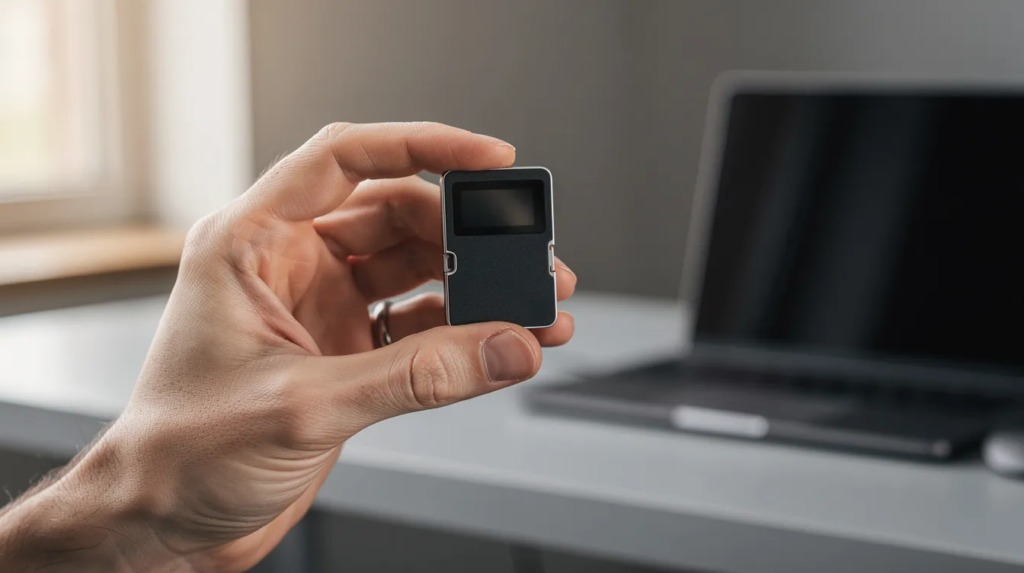
Hybrid approach. Many experienced investors keep small balances on exchanges for trading, a modest amount in hot wallets for DeFi or payments, and the majority of long-term holdings in cold wallets stored securely offline. This hybrid model balances convenience with crypto security.
Choosing Safer Crypto Exchanges in 2026
While no platform is completely risk-free, evaluating exchanges against a concrete checklist greatly improves safety.
Criteria | What to Look For |
|---|---|
Licensing & regulation | Licensed under MiCA (EU), registered with SEC/CFTC (U.S.), or FCA-registered (UK). Verify on official government registers. |
Security architecture | Majority cold storage, independent security audits, bug bounty programs, security certifications like SOC 2 or ISO 27001. |
Proof-of-reserves | Regular attestations from reputable auditors, ideally Merkle-tree based. Platforms like Kraken, Uphold, and Bitstamp are often cited for doing this well. |
Insurance & protection | Crime insurance for hot-wallet theft, segregation of client assets. But note: exchange insurance policies often cover only a small fraction of total assets. |
Support & transparency | Responsive customer support, clear documentation, transparent incident-response history during market stress. |
Select well-established exchanges compliant with local regulations. Using registered exchanges provides a higher level of oversight compared to unregulated platforms. Crypto.com ranked as the safest exchange in a recent study, and other exchanges like Kraken and Coinbase consistently score well on transparency metrics.
When evaluating where to invest your money, don’t forget to check minimum deposit requirements, other fees, and whether the platform provides tools you actually need.
Crypto Exchanges vs Traditional Brokers and Apps
Many mainstream brokers and fintech apps now let users buy and sell Bitcoin, Ether, and a limited set of other coins alongside stocks and ETFs. Here is how they compare.
Custodial differences. Traditional brokers typically use regulated custodians, sometimes with SIPC-like protections for the securities portion of accounts. Some platforms, like Gemini, offer FDIC insurance for uninvested cash held in partner banks. However, Kraken does not offer FDIC or SIPC insurance, and most pure crypto exchanges lack equivalent government-backed insurance for digital assets. There is no central bank guarantee for crypto holdings on any exchange.
Product range. Dedicated cryptocurrency exchanges often list hundreds of coins and tokens, derivatives, and advanced order types. Traditional brokers and payment apps usually limit offerings to a small number of major cryptocurrencies, restricting access to altcoin markets and on-chain DeFi.
Withdrawal rights. Some fintech apps do not allow users to withdraw crypto to an own wallet-or only added that ability recently-turning crypto into an in-app exposure rather than true on-chain ownership. If you cannot move assets to your own wallet, you don’t truly control them.
Risk profile. Conservative investors may prefer regulated brokers for simple exposure to major coins, while those who require on-chain transfers, DeFi access, or altcoin trading will still need full-featured cryptocurrency exchanges plus their own wallets. Your choice should align with how actively you plan to trade and how much control you want over your keys.
Are Crypto Exchanges “Safe Enough”? Balancing Risk and Convenience
So, are crypto exchanges safe to use? The honest answer is: they are tools that can be reasonably safe for certain purposes but should never be treated like insured bank accounts.
For most retail users, exchanges are acceptable for buying, selling, and short-term holding of moderate balances-especially when they implement strong security practices and operate in well-regulated jurisdictions. Investing through a reputable platform with proper security measures is a pragmatically sound approach for active traders.
Long-term investors and those holding significant value should prioritize self custody via hardware cold wallets, treating exchanges primarily as on-ramps and trading venues. Keep your keys safe, and remember that no business in crypto is too big to fail.
Define your own risk tolerance. Decide how much you are comfortable keeping on any single exchange, and create a written plan for how you diversify storage methods across exchanges, hot wallets, and cold wallets. This is what it means to keep crypto safe.
Security is an ongoing process. As cryptocurrency exchanges, regulations, and attack methods evolve beyond 2026, users should periodically review their setup, update tools, stay informed about new threats, and protect their holdings accordingly. A technical issue today might look completely different from the vulnerabilities of tomorrow.

FAQ
Are crypto exchanges insured like banks?
In most countries, cryptocurrency exchanges are not covered by government insurance schemes like FDIC insurance (U.S. bank deposits) or SIPC (U.S. brokerage accounts). If a platform fails, users can suffer total loss. Some exchanges advertise private insurance for certain hacking incidents, but exchange insurance policies often cover only a small fraction of total assets. This coverage typically applies only to hot-wallet breaches and generally does not protect against insolvency, fraud, or market losses. Kraken Pro users, for instance, should know that Kraken does not provide FDIC or SIPC coverage. Gemini, on the other hand, offers FDIC insurance for uninvested cash held in partner banks-but that applies only to the fiat currency portion, not crypto holdings.
How much crypto is safe to keep on an exchange?
There is no universal number, but many security-conscious users treat exchanges like digital cash wallets: keep only what you need for the next few trades or weeks of activity. A practical rule of thumb is to store only amounts on an exchange that you could afford to lose without jeopardizing your overall financial stability, and move larger, long-term holdings to cold wallets under your control. Remember, 30% of crypto owners have experienced a security breach-don’t assume it won’t happen to you.
What is the safest way to store crypto long term?
The long-term best practice is using well-reviewed hardware wallets from established manufacturers. Private keys remain stored offline, and recovery phrases should be backed up securely in at least two separate physical locations (such as a fireproof safe and a bank safety deposit box). Avoid sharing seed phrases digitally, test recovery procedures with small amounts, and periodically check that your hardware and backups are still accessible and intact. This approach offers the strongest protection against both online and platform-specific risks.
Are decentralized exchanges (DEXs) safer than centralized exchanges?
DEXs remove custodial risk because users keep crypto in non custodial wallets throughout the trading process. However, they introduce different risks: smart-contract bugs, fake tokens, front-running by malicious bots, market manipulation through low-liquidity pools, and irreversible transaction mistakes. For many people, a combination of reputable centralized exchanges for fiat on-ramping and large, audited DEXs for on-chain swaps-paired with careful self custody-offers a balanced safety profile. Neither type is universally “safer” without context.
Can regulators or governments freeze my assets on a crypto exchange?
Yes. Because centralized exchanges control user accounts and hold private keys, they can freeze or restrict access when they receive lawful orders from courts or regulators, or when enforcing their own compliance policies. Self-custodied funds in personal wallets are harder for third parties to freeze directly, but users must still comply with applicable laws in their jurisdiction regarding taxes, sanctions, and reporting requirements. Operating outside the law is never a viable long-term strategy, regardless of where your crypto is stored.