
Meta Title: Best Crypto Exchanges to Use Right Now (June 2026) – Top 7 Platforms Reviewed
Meta Description: Wondering what’s the best crypto exchange to use right now? We compare the top 7 platforms-Coinbase, Kraken, Binance.US, Gemini, Crypto.com, OKX, and Robinhood-across security, fees, coin selection, and user experience so you can pick the right one for June 2026.
Crypto exchanges are where fiat money meets digital assets. They’re the platforms you use to buy, sell, trade, stake, and hold cryptocurrencies, and in 2026, they’ve become much more than simple marketplaces. Exchanges are evolving into comprehensive financial ecosystems that touch everything from payment services to decentralized finance tools.
But here’s the problem: there are dozens of crypto platforms competing for your attention, each with its own fee structure, coin selection, security approach, and regulatory standing. Choosing the wrong one could mean paying higher trading fees, losing access to key features in your state, or trusting your crypto holdings to a platform that cuts corners on security.
This guide breaks down the seven best crypto exchanges available right now, comparing them across the factors that actually matter: security, cost, supported crypto assets, user experience, and regulatory compliance. Whether you’re buying crypto for the first time or you’re an experienced trader moving serious volume, you’ll find a clear recommendation here.
Leading cryptocurrency exchanges provide institutional grade security and deep liquidity, but they don’t all excel in the same areas. The best crypto exchange for you depends entirely on what you need it to do.

How We Chose the Best Crypto Exchanges
Not all the exchanges out there deserve your trust or your money. To narrow the field down to seven, we evaluated each trading platform against six core criteria.
Security and Regulatory Compliance
Security comes first. We looked at custody practices (what percentage of customer funds are in cold storage), whether the platform publishes proof of reserves, and what regulatory licenses it holds. Security features should include offline cold storage and two-factor authentication as baseline requirements. Major exchanges publish proof of reserves to ensure user assets are backed, and we gave preference to those that do so regularly with independent verification.
Regulatory compliance is essential for cryptocurrency exchanges to operate legally in specific regions. In the US, that means FinCEN registration, state money transmitter licenses, and in some cases, a New York BitLicense.
Trading Fees and Cost Structure
Trading costs include maker and taker fees and hidden spreads, especially on “simple buy” or mobile app interfaces. We compared advanced trading fees, instant-buy markups, withdrawal fees, and deposit costs. A platform advertising “zero fees” might still charge a 1% spread on every transaction.
User Experience and Platform Design
User experience varies between easy-to-use mobile interfaces and complex trading options. We considered how well each exchange serves its target audience, whether that’s a first-time buyer or someone running advancedcharting tools across multiple monitors.
Available Cryptocurrencies and Trading Pairs
The number of supported coins matters if you’re interested in anything beyond Bitcoin and Ethereum. We tracked how many trading pairs each exchange supports and whether they list newer projects alongside major coins.
Customer Support Quality
We reviewed response times, support channels (chat, email, phone), and transparency around incidents like breaches or withdrawal delays.
Advanced Features
Staking, margin trading, derivatives trading, automated trading bots, and copy trading options assist inexperienced investors while also serving experienced crypto traders. We factored in which platforms offer these extras and how accessible they are.
Top 7 Crypto Exchanges to Use Right Now
1. Coinbase
Coinbase is the most recognizable name in US crypto trading, and for good reason. As a publicly traded company listed on NASDAQ, it operates under strict reporting requirements and is available in all 50 US states. Coinbase is the first crypto exchange to join the S&P 500 index, a milestone that no other crypto exchange has achieved.
Why It Stands Out
Coinbase’s main differentiator is the combination of regulatory clarity and a beginner-friendly interface. Coinbase is best for beginners due to its user-friendly interface, making it the easiest on-ramp for people who have never touched cryptocurrency trading before. Coinbase has been operational since 2012, ensuring reliability through more than a decade of market cycles, including multiple bear markets and regulatory shifts.
Best For
Crypto beginners and US-based traders who want a straightforward, trustworthy platform. Also strong for anyone prioritizing regulatory peace of mind over rock-bottom fees.
Key Strengths
Insurance and custody: Coinbase offers FDIC insurance on cash balances held in partner banks and carries crime insurance coverage on crypto holdings. Coinbase stores 98% of user assets in cold storage, with the remaining hot wallet assets protected by insurance.
Education: Coinbase offers comprehensive educational resources for new users, including learn-and-earn programs where you can get paid small amounts of crypto for completing lessons on different tokens.
Coin selection: Coinbase supports over 400 cryptocurrencies for trading (and over 350 cryptocurrencies in certain regions depending on local regulations), giving users access to a wide range of digital assets. Coinbase supports over 400 tradable cryptocurrencies across its platform.
Accessibility: Coinbase is available in over 100 countries, enhancing accessibility well beyond the US market. Coinbase provides a user-friendly mobile app for trading that mirrors the simplicity of the desktop experience.
Transparency: As a publicly traded company, Coinbase files quarterly reports and undergoes regular audits.
Possible Limitations
Fees: Coinbase’s maker fees range from 0.00% to 0.40% on its Advanced Trade interface, which is competitive at the top tiers but significantly higher than Kraken or OKX at default levels. The “simple buy” interface charges convenience fees and spreads that can exceed 1%, making it expensive for casual purchases.
Advanced features: If you’re actively trading derivatives or want futures access, Coinbase’s feature set is more limited compared to other exchanges. It’s built primarily for spot trading and long-term holding.
Data breach history: In late 2024, a contractor-based data breach affected approximately 69,000 customers, though no funds or private keys were compromised. Coinbase disclosed the breach and offered reimbursement.
2. Kraken
Kraken has built its reputation on one thing above all else: security. Operating for more than a decade, Kraken has never experienced a hack resulting in customer fund losses. That’s a track record almost no other major exchange can match.
Why It Stands Out
Kraken’s proven security track record combined with competitive fees makes it the strongest all-rounder for traders who refuse to compromise on either. Kraken publishes quarterly proof of reserves since 2014, which is longer than any other major exchange has been doing so.
Best For
Security-conscious traders and active traders who want low fees without sacrificing asset protection. Also a strong pick for experienced traders who want access to staking, OTC desks, and a deep coin list.
Key Strengths
Security: Kraken has never experienced a hack resulting in customer fund losses across its entire operating history. This is the single most important data point for anyone evaluating exchange safety.
Fees: Kraken’s trading fees start at 0.25% for maker orders on its Pro tier, dropping lower with volume. Taker fees start around 0.40% and decrease from there. For those paying lower trading fees at scale, Kraken is among the most competitive US-accessible platforms. However, Kraken charges a 1% trading fee for instant buys through its simple interface.
Coin selection: Kraken offers access to over 600 cryptocurrencies globally, with over 200 cryptocurrencies available for trading to US users depending on state restrictions.
Platform flexibility: Kraken offers both mobile and desktop trading platforms, with the Pro interface delivering advanced charting tools and order types that satisfy more experienced traders.
Possible Limitations
State restrictions: Kraken is not available in New York or Maine for certain services, which limits access for residents of those states.
Beginner complexity: The interface can be complex for beginners. The “simple” buy mode is straightforward but comes with higher fees, while the Pro interface has a steeper learning curve.

3. Binance.US
Binance.US is the American arm of the world’s largest crypto exchange by trading volumes. It operates as a separate entity (BAM Trading Services) from global Binance and holds its own regulatory registrations, though the shadow of its parent company’s legal history still looms.
Why It Stands Out
Binance.US has made an aggressive play to capture US market share by slashing trading fees to near zero. With 0% maker fees on select trading pairs and taker fees as low as 0.01–0.02%, it’s currently the cheapest place to trade crypto in the US for active traders who can access it.
Best For
Active traders seeking the lowest possible fees and solid altcoin variety. If you’re in a fully supported state and primarily care about cost, Binance.US is hard to beat on price alone.
Key Strengths
Fees: The maker and taker fees at Binance.US are the lowest among major US-accessible exchanges. Zero maker fees on many pairs and taker fees under 0.02% mean you’re paying lower trading fees than virtually anywhere else in the domestic market.
Coin selection: Over 160 tradable cryptocurrencies with staking support on 20+ assets.
Trading tools: Binance.US offers advanced trading tools including limit orders, stop-limit orders, and OCO orders. The interface supports advanced charting tools powered by TradingView.
Possible Limitations
State restrictions: Binance.US is restricted in multiple US states, including New York and Texas. In states like Kansas and Wisconsin, it operates in “crypto-only” mode, meaning no USD deposits or withdrawals. It’s currently available with full services in roughly 34 states.
Parent company issues: Binance global agreed to a $4.3 billion settlement with the DOJ, FinCEN, and CFTC in late 2023. While Binance.US is a separate entity, the reputational and regulatory overhang is real.
No derivatives: Future trading and margin trading are not available on Binance.US due to US regulatory constraints, which limits the feature set for experienced crypto traders who want leverage.
4. Gemini
Gemini was built from the ground up as a compliance-first exchange. Founded by the Winklevoss twins in 2014, it holds a New York Department of Financial Services (NYDFS) trust charter and operates under some of the strictest regulatory standards in the crypto space.
Why It Stands Out
Gemini’s security and compliance credentials are virtually unmatched among US cryptocurrency exchanges. It’s SOC 1, SOC 2 Type 2 audited, ISO/IEC 27001 certified, and operates a full-reserve model that segregates customer funds from company operating assets.
Best For
Security-conscious investors, institutional clients, and anyone who values insurance coverage, audits, and regulatory trust above all else. If you’re managing significant personal finance through crypto, Gemini provides the institutional grade security that justifies its higher costs.
Key Strengths
Insurance: Gemini offers FDIC insurance for cash and crypto insurance through its crime insurance policy. USD balances are held at banks providing pass-through FDIC protection, and hot wallet assets carry their own insurance fund.
Security practices: Gemini uses two-factor authentication for account security as a standard requirement. Combined with its cold storage practices and clean security record since 2014, it’s one of the safest places to store crypto.
State availability: Available in all 50 states, which is something only a few crypto platforms can claim.
Mobile: Gemini’s mobile app supports advanced trading features, allowing users to manage their portfolio and execute trades from anywhere.
Possible Limitations
Fees: Gemini’s maker fees range from 0.00% to 0.60%, and its “convenience fee” on simple purchases pushes costs even higher. ActiveTrader mode brings fees closer to ~0.20% maker / 0.40% taker, but it’s still pricier than Kraken or OKX.
Coin selection: Gemini has around 90 cryptocurrencies available for trading, which is considerably fewer than most crypto exchanges. If you’re chasing niche altcoins or newly launched tokens, you’ll likely need to look elsewhere.
Liquidity: Lower trading volumes on certain pairs compared to larger exchanges can mean wider spreads on less popular tokens.
5. Crypto.com
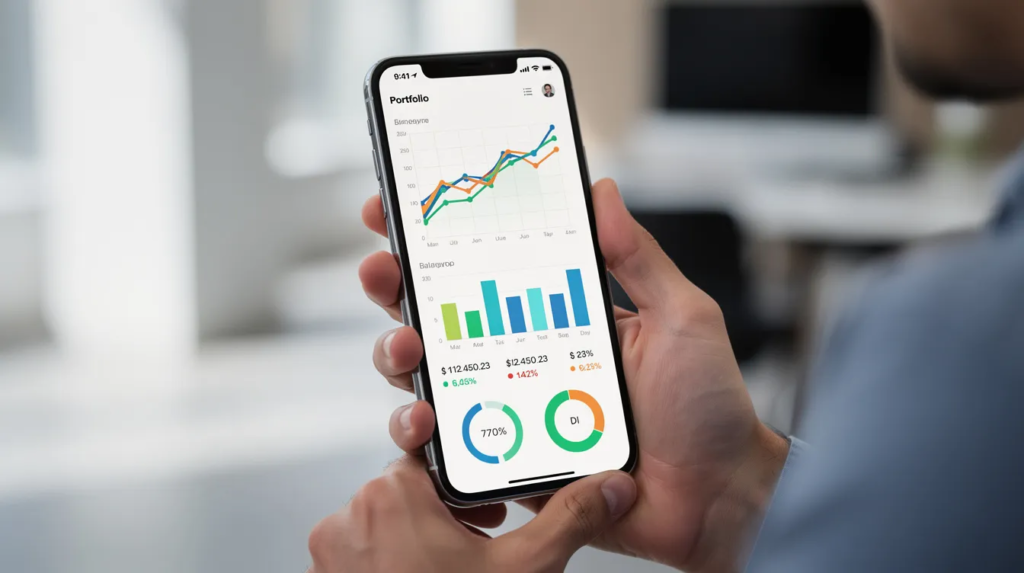
Crypto.com has positioned itself as a one-stop shop for crypto services, combining spot trading, staking, a Visa debit card with crypto cashback, an earn program, a DeFi wallet, and payment services. It’s one of the broadest ecosystems in the industry.
Why It Stands Out
The integrated financial ecosystem sets Crypto.com apart from other crypto exchanges. The Visa card offering up to 6% crypto cashback rewards (depending on CRO staking tier) creates a tangible, everyday use case that most exchanges simply don’t offer.
Best For
Users who want more than just a trading platform. Crypto.com is best for mobile users trading on the go, and for anyone who wants to earn, spend, and stake crypto within a single ecosystem. Mobile users can trade over 400 cryptocurrencies on Crypto.com.
Key Strengths
Coin selection: Crypto.com offers more than 400 cryptocurrencies for trading, making it one of the most expansive platforms for altcoin access.
Rewards card: The Visa card with tiered cashback rewards in CRO is unique among the only platforms that bridge crypto holdings with real-world spending.
Staking: Extensive staking options across many blockchains, though unbonding periods and minimum amounts apply. Platforms offer passive income through staking and providing liquidity to decentralized pools, and Crypto.com makes this accessible within its app.
Fees: Crypto.com has maker fees ranging from 0.08% to 0.25% on its exchange interface, which is competitive with most platforms. The exchange tier offers genuinely low fees for those who use it directly.
Possible Limitations
State restrictions: Not available in New York. Some features like staking are blocked in California, Maryland, New Jersey, and Wisconsin.
CRO dependency: Premium card tiers and boosted earn rates require holding significant amounts of the CRO token, which introduces token-specific market risk.
App spreads: While exchange fees are competitive, buying crypto through the mobile app involves spreads of roughly 1%, which is a hidden transaction fee that casual users may not notice. The distinction between app pricing and exchange pricing is critical-always use the exchange interface when possible.
6. OKX
OKX is one of the world’s largest crypto exchanges by global trading volumes and recently reentered the US market in April 2025 with a dedicated American entity headquartered in San Jose.
Why It Stands Out
OKX offers the lowest advanced trading fees among the platforms reviewed here, combined with one of the widest coin selections globally. For experienced crypto traders who prioritize cost efficiency and tool depth, OKX is a compelling option.
Best For
Experienced traders and high-volume users who want the lowest possible fees paired with robust security measures and deep liquidity. Also appealing to traders who want access to a wide range of crypto derivatives and trading pairs in non-US jurisdictions.
Key Strengths
Fees: Spot fees of approximately 0.08% maker and 0.10% taker make OKX one of the cheapest places to trade cryptocurrency at any volume level. Higher trading volumes unlock even lower tiers.
Coin selection: Over 350 cryptocurrencies listed globally, with a strong emphasis on DeFi tokens and newer projects alongside major coins.
Transparency: OKX publishes monthly proof of reserves, ranking high on transparency metrics across independent reviews.
Advanced tools: OKX provides advanced tools including derivatives trading, grid trading bots, and portfolio analytics that satisfy the needs of advanced traders.
Possible Limitations
US restrictions: Not available in New York and Texas, with feature limitations in other states depending on licensing. The US entity is still building out its full service offering.
Complexity: The interface is built for experienced traders and may overwhelm beginners. There’s no real “simple mode” comparable to Coinbase’s or Gemini’s beginner interfaces.
Regulatory uncertainty: As a relatively new entrant (re-entrant) to the US market, OKX’s regulatory footing is less established than Coinbase or Gemini.
7. Robinhood
Robinhood made its name in stock trading with commission-free trades, and it’s carried that same philosophy into crypto. It’s not a dedicated crypto exchange, but its crypto offering has grown significantly and serves as a convenient entry point for millions of existing Robinhood users.
Why It Stands Out
Robinhood’s main differentiator is simplicity and integration with its broader brokerage platform. If you already use Robinhood for stock trading, adding crypto exposure takes about 30 seconds. There’s no separate account, no new app, and no learning curve.
Best For
Casual investors and existing Robinhood stock traders who want simple crypto exposure alongside their equity portfolio. Also works well for people who want to trade cryptocurrency without dealing with the complexity of dedicated crypto platforms.
Key Strengths
Commission-free trading: Robinhood doesn’t charge a flat fee or explicit maker fees or taker fees. Revenue comes from spreads and payment for order flow, keeping the visible cost to the user at zero. Spreads are generally competitive but vary by asset and market conditions.
State availability: Available in all 50 states, which gives it an advantage over platforms like Binance.US, Kraken, and OKX that face state-level restrictions.
Familiar interface: For other traders already using Robinhood for equities, the crypto section lives inside the same app. You can manage your cash account, stock positions, and crypto holdings in one place.
Wallet functionality: Robinhood now supports transfers to and from your own digital wallet, addressing the long-standing criticism that users couldn’t move crypto off the platform.
Possible Limitations
Limited coin selection: Roughly 70+ cryptocurrencies available, which is significantly fewer than most crypto exchanges on this list. If you’re looking for niche altcoins or low market cap tokens, Robinhood won’t have them.
Basic features: No staking, no derivatives trading, no margin trading for crypto, no advanced charting tools. This is a buy-and-hold platform, not a trader’s workstation. Other exchanges offer far more depth for anyone actively trading.
Spread costs: While there’s no explicit commission, the spread on each transaction acts as a hidden transaction fee. On volatile assets or during high-volume periods, spreads can widen meaningfully.
Not crypto-native: Robinhood’s primary business is stock trading. Crypto is an add-on, which means crypto-specific features (decentralized exchange integration, DeFi tools, advanced order types) are minimal compared to dedicated crypto platforms.
Quick Comparison of the Best Crypto Exchanges
Here’s a side-by-side look at all the exchanges and their specialties to help you quickly narrow your search.
Exchange | Best For | Maker Fees | Coins | US Availability | Key Feature |
|---|---|---|---|---|---|
Coinbase | Beginners & compliance | 0.00%–0.40% | 400+ | All 50 states | S&P 500 listed, educational resources |
Kraken | Security & active trading | Starting at 0.25% | 200+ (US) / 600+ (global) | ~48 states | Never hacked, PoR since 2014 |
Binance.US | Lowest fees & altcoins | 0% on many pairs | 160+ | ~34 states | Near-zero trading fees |
Gemini | Maximum security | 0.00%–0.60% | ~90 | All 50 states | SOC 2 audited, FDIC + crypto insurance |
Crypto.com | Complete ecosystem | 0.08%–0.25% | 400+ | Most states (not NY) | Visa card with crypto cashback |
OKX | Advanced trading | ~0.08% | 350+ | Limited US states | Lowest pro-tier fees |
Robinhood | Simple crypto exposure | $0 (spread-based) | 70+ | All 50 states | Stock + crypto in one app |
For context, Uphold charges trading fees between 1.8% and 3.8%, and BitMart provides over 1,700 tradable cryptocurrencies. Both sit outside our top 7 but may suit specific needs-Uphold for multi-asset simplicity, BitMart for maximum altcoin access.
How to Choose the Right Crypto Exchange
Top cryptocurrency exchanges differ by experience level and trading goals. There’s no single best cryptocurrency exchange for everyone, so here’s how to match your priorities to the right platform.
Choose Based on Your Experience Level
If you’ve never purchased crypto before, you want a clean interface, educational resources, and a platform that won’t overwhelm you with order types and charts. Coinbase and Robinhood are the clear picks here. Both offer straightforward buying crypto experiences without requiring you to understand limit orders or depth charts.
If you’re a more experienced trader, platforms like Kraken, OKX, or Binance.US give you the advanced trading features you need: limit orders, stop-losses, OCO orders, and detailed market data. Automated trading bots and copy trading options assist inexperienced investors on some of these platforms, bridging the gap between beginner and pro.
For advanced traders managing large portfolios or institutional-level capital, Gemini’s audit trail and insurance coverage or Kraken’s OTC desk and deep liquidity are better fits.
Choose Based on Fees and Trading Volume
If you’re making a few trades per month, fees matter less than convenience. Coinbase’s higher cost might be worth the simplicity. But if you’re actively trading multiple times per week, the difference between 0.40% and 0.08% per trade compounds fast.
Here’s a quick illustration of how fee structure impacts cost on a $10,000 trade value:
Exchange | Maker Fee | Cost on $10K Trade |
|---|---|---|
Binance.US | 0.00% | $0.00 |
OKX | 0.08% | $8.00 |
Kraken | 0.25% | $25.00 |
Coinbase | 0.40% | $40.00 |
Gemini | 0.60% | $60.00 |
For anyone paying lower trading fees at scale, the savings from choosing a lower-cost platform can add up to hundreds or thousands of dollars annually. Competitive fees matter most for those with higher trading volumes.
Choose Based on Security Requirements
Every exchange on this list offers robust security measures, but they vary in degree:
Cold storage: Coinbase stores 98% of user assets in cold storage. Most exchanges keep the majority offline, but the percentages and verification methods differ.
Insurance: Gemini offers both FDIC insurance on cash balances and crypto insurance on custodied assets. Coinbase similarly provides FDIC insurance on USD and crime insurance on crypto deposits. Robinhood extends SIPC protection to its cash account.
Track record: Kraken has never experienced a hack resulting in customer fund losses, which is the strongest empirical proof of security you can find.
Audits and proof of reserves: Gemini’s SOC 2 audits and Kraken’s quarterly PoR provide third-party verified transparency.
If market manipulation or custodial risk keeps you up at night, Gemini and Kraken offer the most layers of protection.
Choose Based on Available Cryptocurrencies
Asset availability depends on specific tokens or coins listed by the exchange. If you only trade Bitcoin and Ethereum, every platform here works. But if you want exposure to smaller altcoins, DeFi tokens, or newly launched projects, coin count matters.
Widest selection: Crypto.com (400+), Coinbase (400+), OKX (350+)
Moderate selection: Kraken (200+ US), Binance.US (160+)
Narrower focus: Gemini (~90), Robinhood (~70)
For comparison, a platform like BitMart provides over 1,700 tradable cryptocurrencies, but it didn’t make our top 7 due to weaker security and compliance credentials. More coins isn’t always better-quality of listing standards matters too.
Which Exchange Is Best for You?
Here’s the decision simplified:
Choose Coinbase if you’re a beginner prioritizing ease of use, educational resources, and the peace of mind that comes with a publicly traded company listed on the S&P 500. You’ll pay slightly more in fees, but the onboarding experience is unmatched.
Choose Kraken if you want proven security with competitive fees. Over a decade of operation with zero customer fund losses is a record that speaks for itself. Best for security-conscious and active traders who don’t mind a slightly steeper learning curve.
Choose Binance.US if you need the lowest fees and broadest altcoin access within the US. Just confirm your state is fully supported before signing up, and be aware of the regulatory history tied to the parent brand.
Choose Gemini if maximum security is your top priority. The combination of SOC audits, ISO certification, FDIC insurance on cash, crypto insurance, and full-reserve segregation makes it the safest custodial option. You’ll trade fewer coins at higher cost, but the protection is real.
Choose Crypto.com if you want a complete crypto ecosystem that extends into everyday spending. The Visa card, staking options, earn programs, and broad coin list create an experience where crypto isn’t just an investment-it’s integrated into how you move money. The platform is particularly strong for mobile users who want everything in one app.
Choose OKX if you’re an advanced trader focused on fees and need access to the deepest set of advanced tools. The 0.08% maker fee and 350+ coin selection make it ideal for high-volume trading, though US availability is still expanding.
Choose Robinhood if you want simple crypto exposure alongside your stock portfolio. It lacks the depth of dedicated crypto platforms, but for buying and holding a few major coins with zero commission, it does the job with minimal friction. It’s one of the only platforms where you can manage fiat currencies, stocks, and crypto in a single cash account.
Final Thoughts
The crypto exchange landscape in June 2026 looks markedly different from even two years ago. Regulatory crackdowns have forced greater transparency. Fee wars have pushed trading costs to historic lows. And the line between crypto platforms and traditional financial services continues to blur as exchanges build out staking, lending, debit card programs, and decentralized finance integrations.
Exchanges are evolving into comprehensive financial ecosystems. The best choice isn’t about finding the single “best” platform-it’s about matching a platform’s strengths to your specific needs. A beginner shouldn’t be on OKX. An advanced trader shouldn’t be overpaying on Coinbase’s simple buy. And nobody should be storing significant crypto holdings on a platform without verified proof of reserves and insurance coverage.
As the crypto space continues to mature and regulatory frameworks like MiCA in the EU set global standards, expect the platforms that invest in compliance and transparency to pull further ahead. Start with smaller amounts, verify that your chosen platform works in your state, and scale your involvement as you get comfortable.
The right exchange is out there. Now you know how to find it.